
Dentures – Pasadena, TX
Beautifully Restore Your Gorgeous Grin

Tooth loss is a common problem that becomes more likely with age, and losing even a single pearly white can leave a person shy about showing their smile and less willing to engage socially. Thankfully, beautiful full or partial dentures form our Pasadena office may be the best way to restore your smile after tooth loss. Here’s a quick look at how dentures work and how Dr. Verjee can help.
Why Choose Magic Touch Dental of Pasadena for Dentures?
- Experienced and Meticulous Dentist
- Flexible Financing Options Available
- Enjoy Beautiful and Lifelike Teeth
Who Is a Good Candidate for Dentures?

Losing teeth can have significant consequences for your oral and overall health. It can make it more difficult to chew many nutritious foods that can be excellent parts of a balanced diet, and some people also have difficulty speaking clearly after losing teeth. Some are simply embarrassed about smiling after tooth loss, which can take heavy tolls on their social lives. A suitable denture candidate will have healthy gums to support the appliance, and we’ll be happy to address any oral infections in our office so patients with gum disease can receive restorations later. However, a person who isn’t missing many teeth may be served better by another prosthetic device such as a bridge.
Types of Dentures
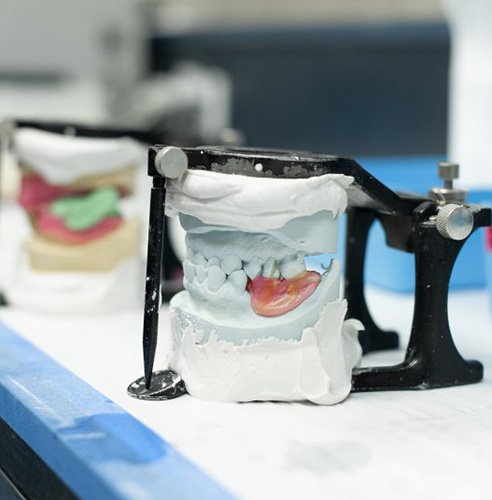
The only way to know which type of denture is best for you is to have a consultation at Dr. Verjee’s office. Based on his findings, he may recommend:
Partial Dentures
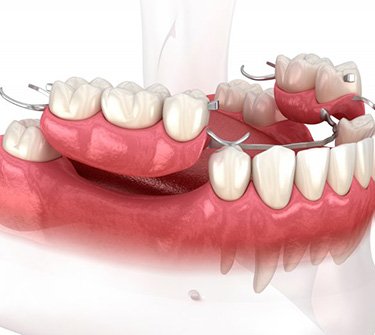
These devices are designed to replace a few or many teeth, which can make it easier to speak and prevent unnecessary dental wear during chewing. Partial dentures consist of artificial teeth made from resin or porcelain and bases made from acrylic, and they usually incorporate metal clips that allow them to attach to the remaining teeth.
Full Dentures
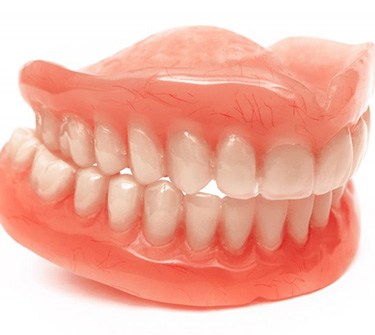
Full dentures are designed to replace full arches of lost teeth, and they will hold their places in the mouth through natural suction. Each appliance will be carefully crafted for a customized fit that provides maximum comfort and chewing power.
The Benefits of Dentures

Dentures offer a range of incredible benefits like:
- Completely customized appliances that ensure a comfortable fit.
- Lifelike artificial teeth for a beautiful smile.
- Improving the patient’s diet by allowing them to chew more foods.
- Preventing the cheeks from looking hollow.
- Cost-effective tooth loss solution for patients on budgets.
- Easy hygiene and maintenance requirements.
Denture FAQs
Will I Need to Have Teeth Removed to Get Dentures?
Dentures are a versatile way to rebuild your smile after tooth loss. Regardless of how many natural teeth you have remaining, Dr. Verjee can provide a lifelike restoration to replace some or all of your missing teeth.
However, those who have lost most, but not all, of their natural teeth might need to have them extracted for their new teeth to fit correctly. After your initial consultation and examination, we can discuss the treatment options with you and let you know whether removal will be necessary based on your circumstances. We might also recommend extraction if you have severely decayed, damaged, or infected teeth that can jeopardize your dental health.
What is the Average Age for Getting Dentures?
Tooth loss is a natural part of the aging process and becomes more common in older adults. For example, sources estimate that approximately 33% of adults between 20 and 39 years old have lost at least one tooth, compared to nearly 66% of those who are between 40 and 64 years old.
However, many younger patients who have suffered from tooth loss can also benefit from this treatment. Whether the gaps in your grin were caused by poor oral hygiene, physical trauma, or some other issue, there’s no age limit or restriction on rebuilding your grin with dentures.
Can I Sleep with My Dentures In?
Some patients wonder if it might be simpler and more effective to sleep with their prosthetics inserted rather than remove them to soak them overnight. While you might be safe if you forget to take them out once in a while, it’s generally not recommended.
This is because your restoration relies on a firm suction against your connective tissues to remain in place throughout the day, which reduces circulation to your mouth. Unfortunately, this can cause sores or an infection that makes it uncomfortable to wear your new teeth.
Soaking your dentures in a glass of water or a special cleaning solution can kill germs while maintaining their shape, giving your gums a much-needed rest and recovery.
Is It Hard to Talk with Dentures?
You rely on two complete arches of teeth to form the various sounds needed to enunciate different words, and it’s natural to wonder whether dentures will affect your speech patterns. It often takes about a month for your mouth to fully acclimate to their presence, and some patients develop a temporary lisp or slur during this time.
You can ease this transitional period by practicing reading out loud to yourself at home, where you’re less likely to be judged for any errors. You might even try recording yourself so that you can listen back and target challenging areas you’d like to rehearse. Fortunately, patience and practice can potentially help you overcome the changes to your ability to speak that were caused by tooth loss.